comparing electric and traditional boats for eco friendly journeys
As we navigate through 2026, the conversation surrounding eco-friendly travel is more vital than ever. With climate change becoming increasingly pressing, the choice of transportation mode is critical, especially when it comes to our waterways. Today, we delve into a comparison between electric boats and traditional boats, analysing their environmental impact, performance, and overall suitability for eco-friendly journeys.
Environmental Impact
When it comes to environmental considerations, electric boats have a clear advantage. They operate on battery power, which means they produce zero emissions while in use. This significant reduction in air pollution is crucial for preserving the health of our lakes, rivers, and oceans. Additionally, advancements in battery technology have led to longer ranges, enabling electric boats to cater to various journey lengths.
On the other hand, traditional boats, often powered by petrol or diesel engines, contribute substantially to greenhouse gas emissions. These traditional engines not only release harmful pollutants into the air but also cause water pollution through fuel spills and oil leaks. Many traditional boats can also be quite noisy, affecting marine wildlife and disturbing the peacefulness of natural settings.
People Also Look For:
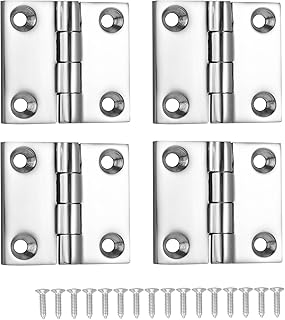
- Heavy Duty Marine Boat Hatch Hinges 316 Stainless Steel, 2 x 2 Inch, Sturdy Deck Cabinet Door Hinges with Screws
- NbgrvB Boat Seat Hook Clips 2 Pack, for Kayak RIB Inflatable Boats Accessories, Compatible with Fishing Dinghies and Rafting Gear,...
- FEATH-R-LITE Stand Up Paddle Boards 11ft Inflatable Paddleboards for Youth&Adults with Accessories Including Adjustable Paddle, Ba...
- The Marine Electronics Handbook
- YBhuoo Heavy Duty Awning Repair Tape - 3.15in x 66ft Waterproof UVproof Tape for Tarp/Tent/Boat Cover, Fiberglass Reinforced, Heat...
Performance and Range
Performance is another vital factor in comparing these two types of boats. Electric boats have made remarkable strides in efficiency and speed. Many modern electric models can reach comparable speeds to their traditional counterparts, with some high-performance electric boats capable of exceeding 30 knots.
However, range is often a sticking point for electric boats. While battery technology is improving, the range of electric boats is still limited compared to traditional boats, particularly for longer journeys. Traditional boats can typically travel further without needing to refuel, making them more suitable for long-distance adventures, especially in remote areas where recharging facilities may not be available.
Cost Considerations
Cost is always a key consideration when choosing between electric and traditional boats. Initial purchase prices for electric boats can be higher, largely due to the cost of battery technology. However, this is offset by lower operating costs. Electric boats tend to have fewer moving parts than traditional boats, leading to reduced maintenance expenses over time. Additionally, electricity is often cheaper than fuel, which can lead to significant savings in the long run.
In contrast, while traditional boats may have a lower upfront cost, their ongoing expenses can be substantial due to fuel, maintenance, and potential repairs associated with more complex engine systems. Boat owners may also want to consider the potential for rising fuel prices in the future, which could further inflate the operating costs of traditional boats.
Practical Advice for Transitioning
If you currently own a traditional boat but are interested in going electric, explore retrofitting options. Many companies now offer electric conversion kits for traditional boats, allowing you to preserve your beloved vessel while reducing its environmental impact. Lastly, stay informed about government incentives or grants for electric boat purchases, which can help offset the initial costs.